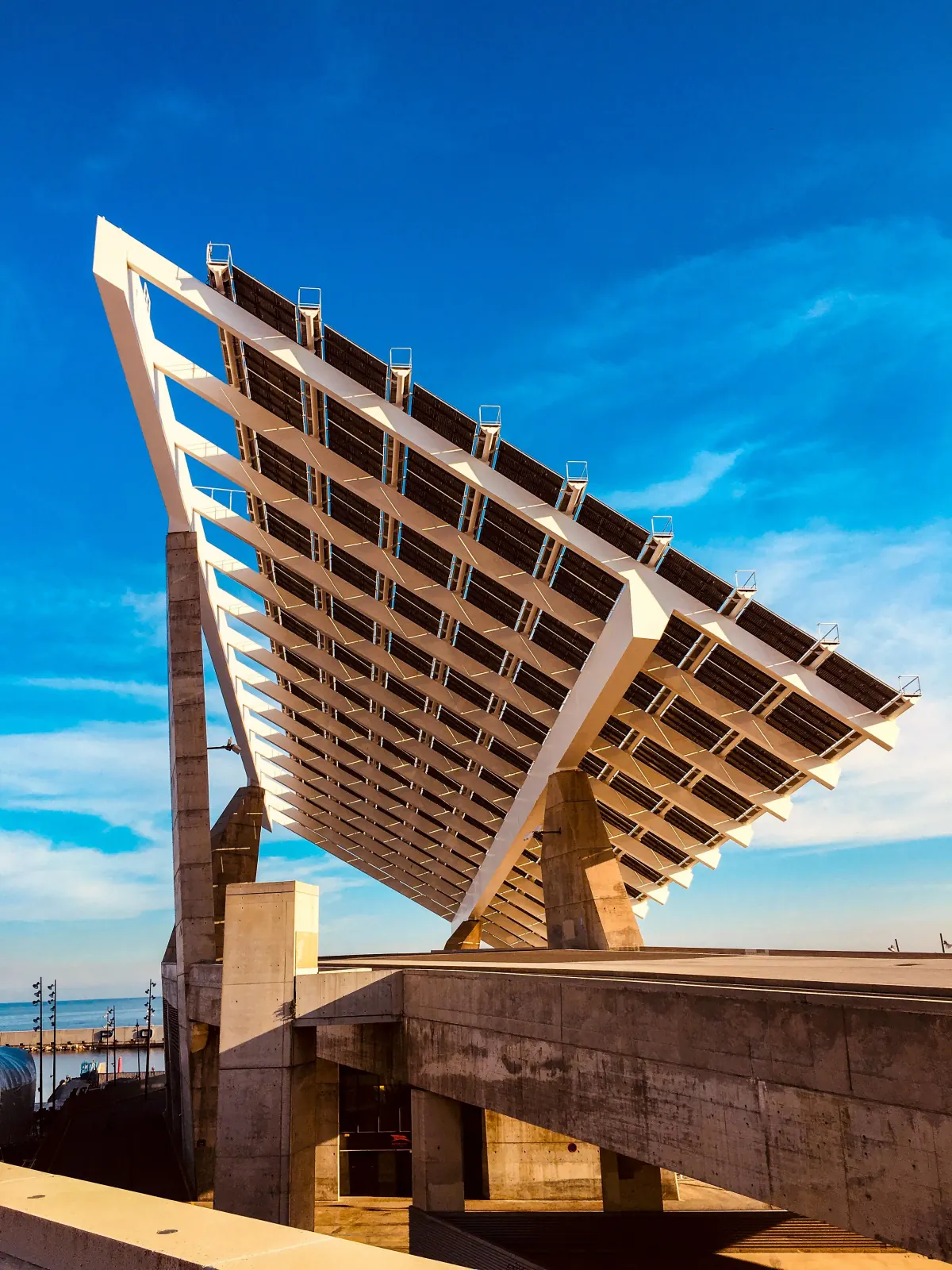
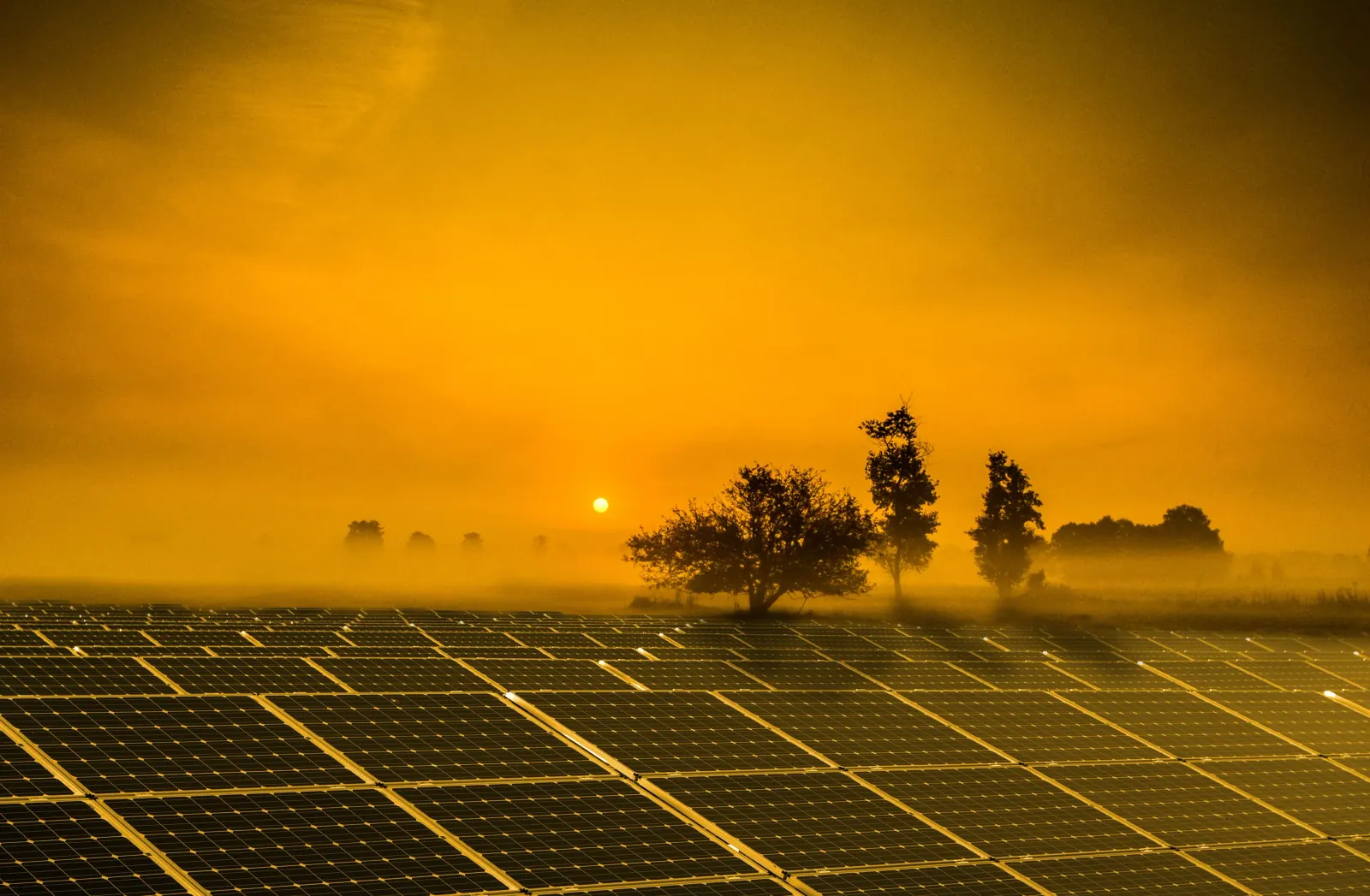
A large solar array under an open sky

Solar systems · Costa Blanca

Solar designed around the way you use energy.

Residential and commercial solar systems, battery storage and EV charging designed as one practical energy system.

Residential solar

Villas, houses and renovated properties.

Commercial solar

Offices, retail, hospitality and light commercial sites.

Battery storage

Sized around when the property actually uses energy.

EV charging

Planned together with the electrical capacity that supports it.

Solutions

One energy system. Built around your property.

Installers positioning solar panels on a pitched roof

01 — Residential

Residential Solar

Systems for villas, houses and townhouses, sized around the roof you have and the way the household actually uses electricity.

03 — Storage

Battery Storage

Storage that holds daytime generation for the hours the property is actually drawing power, integrated with the inverter and monitoring.

02 — Commercial

Commercial Solar

Systems designed from the load profile of the business: opening hours, daytime demand, roof availability and room to expand.

A solar carport covering a parking area

04 — Charging

EV Charging

Charge points planned alongside the rest of the installation, so available capacity is shared rather than fought over.

Approach

Start with the building. Then design the system.

A solar installation should fit the roof, the electrical setup and the way energy is actually used.

Solara Energy approaches each project as a complete system. Generation, storage, charging and future expansion are considered together before equipment is selected.

01

The building first

Roof surface, orientation, shading, structure and the route from the array to the consumer unit decide what is realistic.

02

Then the usage

When power is drawn matters more than how much is drawn in a year. The daily shape of consumption sets the sizing.

03

Equipment last

Panels, inverter and battery are selected once the design is settled, not the other way around.

Two starting points

Homes and businesses ask different questions of a solar system.

A mounting clamp being fastened to a solar panel rail

Residential

For villas, houses and residential properties.

Household demand peaks in the evening, while generation peaks at midday. Most residential design work is about closing that gap sensibly.


  • Roof orientation, pitch and shading survey
  • System sizing around real household use
  • Battery-ready electrical design
  • EV charging planned into the same system
An office building at dusk with lit floors behind a glass facade

Commercial

For businesses, hospitality, offices and light commercial sites.

Commercial demand usually sits in the same hours as generation, which changes what the system has to do and how it is sized.


  • Load profile and operating hours review
  • Roof availability and structural constraints
  • Phased installation around trading hours
  • Capacity left for later expansion
Two people inspecting a row of solar panels on site

How we work

Four stages, in the order they belong.


01

Assess

We review the property, roof, electrical setup and current energy use.


02

Design

The system is sized around realistic use, available space and future needs.


03

Install

Installation is planned around the property with clear technical documentation.


04

Monitor

The finished system is set up for practical day-to-day monitoring.

Rows of solar panels at sunrise

Battery storage

Use more of the energy you generate.

Solar generates during the day. Many properties draw most of their power in the evening. A battery holds part of that daytime generation so it can be used later, instead of being exported the moment it is produced.

  • Raises the share of generation used on site
  • Shifts stored energy to the hours the property is occupied
  • Can be added later when the electrical design allows for it
  • Backup behaviour depends on the equipment and the installation

Selected projects

Two demonstration projects, documented the way a real case would be.

A mounting clamp being fastened to a solar panel rail

Altea · Residential retrofit

Villa Solar + Battery System

Rooftop solar, a battery-ready electrical design, storage and monitoring for an existing villa.

Installers positioning solar panels on a pitched roof

Benidorm · Commercial property

Commercial Rooftop Solar

Rooftop solar sized on the daytime load profile, with monitoring and preparation for EV charging.

Technical clarity

What you should expect from the people installing it.

System design

A design you can read

A single-line diagram, the panel layout on the roof, the position of the inverter and protection, and where any battery or charge point connects.

Component selection

Reasons, not brand names

Every component is chosen for a stated reason: the inverter for the array and any future battery, the protection for the installation, the mounting for the roof type.

Clear documentation

A handover that lasts

Layout drawings, component datasheets, commissioning records and monitoring access, kept together so a future electrician can pick the system up.

Insights

Practical notes on designing and running a solar system.

Next step

Planning solar for an existing property or a new project?

Tell us about the property and how it uses energy. We will come back with what is realistic before anything is quoted.